Stews
Fesenjan Stew
Khoresh-e Fesenjan
In the app, this recipe is part of lifetime access. The full method is on this page too.
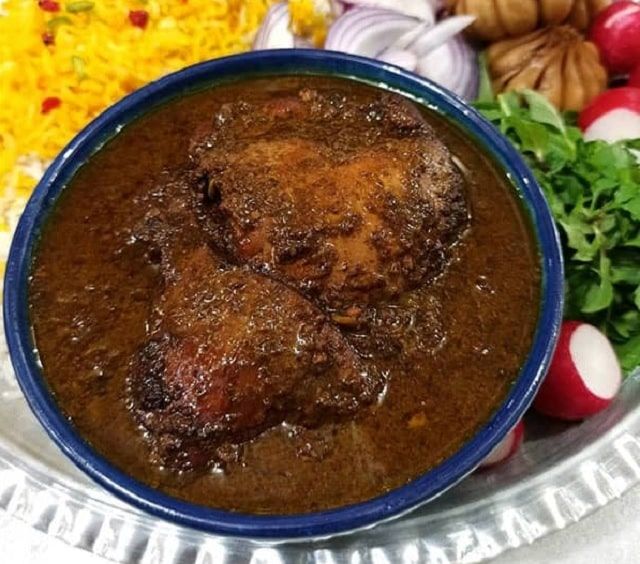
Fesenjan stew (Khoresh-e Fesenjan) is one of the old traditional Iranian stews, and its history goes back thousands of years. In some periods it was a royal, luxurious dish and was mostly set on the tables of kings and wealthy families. Its roots are strongest in northern Iran, especially Gilan and Mazandaran. The name likely comes from the Gilaki word "Fesen," meaning the grinding of walnuts, because walnuts used to be ground on special stones. Because of its sweet-and-sour taste, Fesenjan is one of the most loved Iranian dishes and is served at weddings, celebrations, and religious gatherings. It is also treated as a mark of Iranian custom, and great importance is given to the housewife's skill in making it. The main ingredients are walnut paste and sour pomegranate paste, usually cooked with chicken or red meat. In some parts of Iran, duck is used. It is a rich stew, and it can be made in more than one way, but it is always counted as a fine, nourishing Iranian dish.
What comes with it
Ingredients
Serves 4
For the pot
- 2 tbsp Ground walnuts ground
- 2 pc Chicken breast
- 3 tbsp Cooking oil
- 1 pc Onion medium
- 4 tbsp Pomegranate molasses
- 2 tsp Turmeric
- 2 cup Sugar
- as needed Salt
Method
- 1
Fesenjan: Wash the chicken, sprinkle a little salt on it, and fry it in oil until golden. Set it aside.
- 2
Put oil in a pot, finely dice the onion, and sauté it until golden. Add the walnut powder and turmeric and stir-fry for 3 minutes, stirring the whole time so it does not burn. Add 4 cups of water and salt. Set the heat to medium and bring it to a boil. Stay by the pot; it may boil over. When it boils, lower the heat and simmer gently for 1.5 hours. Stir every 30 minutes so it does not stick. Do not raise the heat; it should cook slowly. After 1.5 hours, add the pomegranate paste, sugar, and vinegar and mix well. Add the chicken. Leave the pot uncovered and cook on low heat for another 1.5 hours, until the stew thickens and the oil rises to the surface.
Notes and serving
- Tip
If little oil comes to the top, add cold water in two goes, 4 tablespoons each time, so the walnut oil rises. That oil comes out of the walnuts as they cook.
- Tip
This stew is mildly sweet-and-sour. If you do not want that mild sweetness, use less sugar.
- Serving
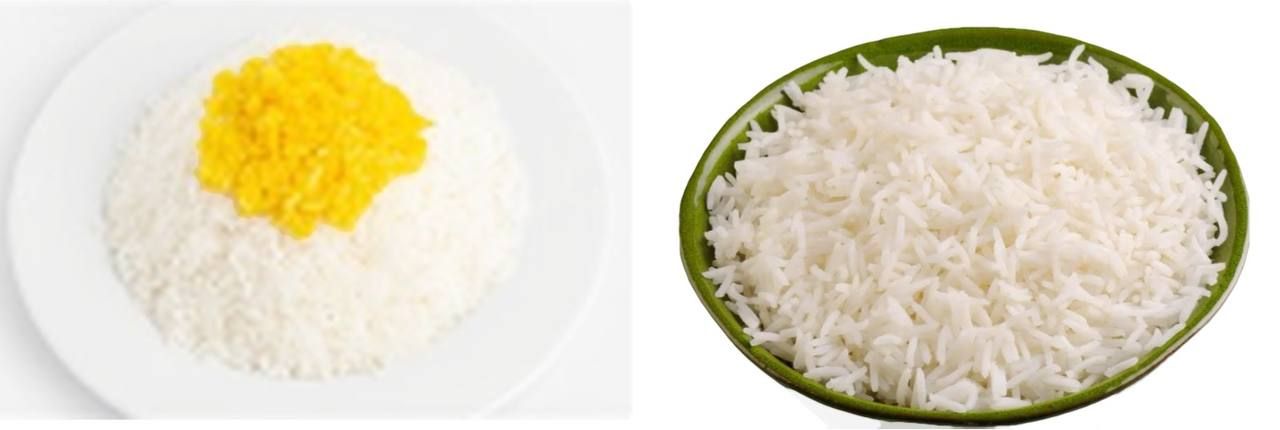
Serving: Serve the rice on a platter. Mix three spoonfuls of the cooked rice with saffron liquid. Put the rice on a serving platter and pour melted butter over it. If you made tahdig (see the "Types of Tahdig" section), serve it on a separate platter. Serve the stew in two bowls and spoon some of its oil over each one. You can also put all of the stew in a nice Pyrex dish.
- Note
How sweet or sour the stew tastes depends on the pomegranate paste. If yours is sour, add sugar to soften it. Thickness matters too: the stew should be neither too thin nor too thick.